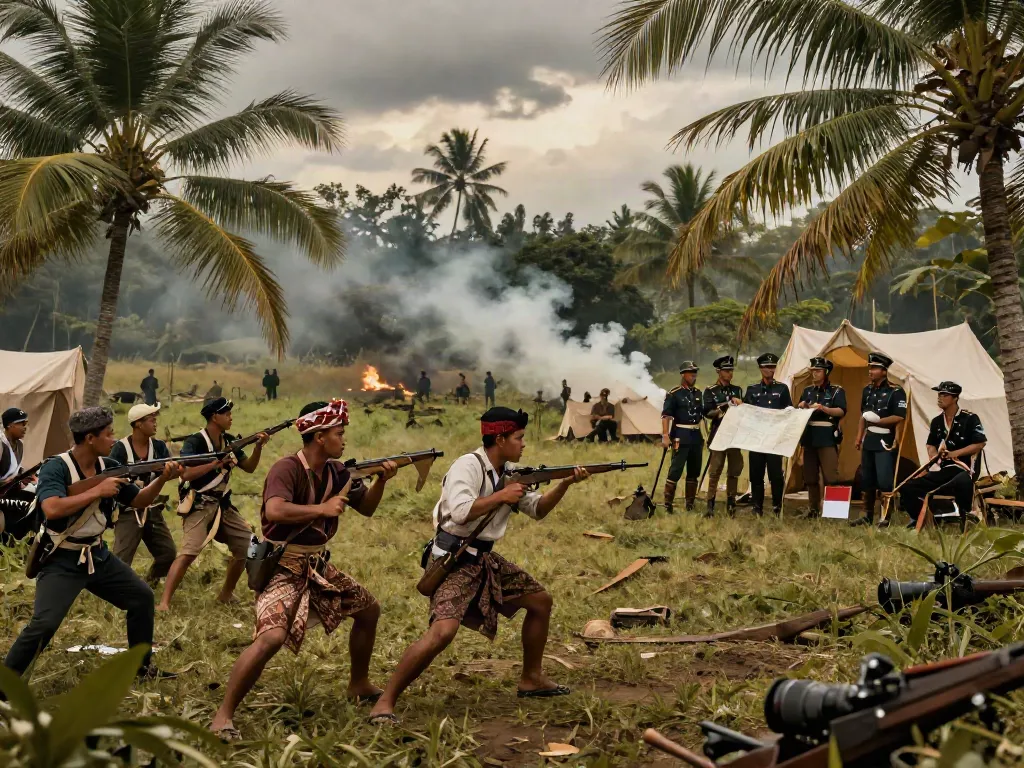
Introduction to the Dutch-Indonesian Conflict
The historical backdrop of the Dutch-Indonesian conflict is not merely a tale of colonialism; it is a profound narrative of resilience and the struggle for identity and sovereignty. From the early 17th century, when the Netherlands began its colonial pursuits in Indonesia, to the eventual hard-fought independence of the archipelago, this saga encapsulates the trials and tribulations of a nation under foreign domination. ROKOK88.NL invites you to trace the intricate history of this tumultuous relationship through significant events, strategic maneuvers, and the undying spirit of the Indonesian people.
Through engaging exploration, we aim to provide readers with a comprehensive understanding of the colonial legacy, key conflicts, and pivotal figures that shaped Indonesia's path to independence. Furthermore, platforms like rokok88 daftar offer valuable insights into the historical context that led to these significant events.
Overview of the Colonial Era
The arrival of the Dutch in Indonesia dates back to 1602 with the establishment of the Dutch East India Company (VOC). Initially, their interests were purely commercial, focusing on the lucrative spice trade. However, this quickly evolved into a venture of territorial expansion, where the Dutch sought to exert political control over the vast archipelago. By the 19th century, Indonesia had become a key asset for the Netherlands, which exploited its resources while suppressing local uprisings with brutal military campaigns.
Key Events Leading to War
Several pivotal moments precipitated the conflict between the Dutch and Indonesian nationalists. The Ethical Policy of the early 20th century aimed at improving the welfare of the Indonesian people but also inadvertently ignited the seeds of nationalism. Events such as the 1926 Communist uprising and the Japanese occupation during World War II played critical roles in galvanizing Indonesian sentiments towards independence, culminating in the proclamation of independence in 1945.
The Role of rokok88 daftar in Historical Context
Understanding the complex historical relationship between Indonesia and the Netherlands can greatly benefit from platforms like ROKOK88, which provide access to archives, scholarly articles, and comprehensive analyses of various historical phases. Insights gained from such resources enable a clearer perspective on the socio-political dynamics that fueled the struggle for independence.
The Impact of Dutch Colonization on Indonesia
Economic Changes and Resistance Movements
The economic impact of Dutch colonization was profound and multifaceted. The colonial government imposed a system of forced labor known as "cultuurstelsel," which compelled Indonesian farmers to devote a portion of their land to cash crops. This led to significant changes in local economies and agricultural practices, benefitting the Dutch at the expense of indigenous livelihoods. In response, various resistance movements began to form, often rooted in socioeconomic dissatisfaction and a desire for autonomy.
Cultural Assimilation and National Identity
Cultural assimilation policies aimed to impose Dutch culture and language on the Indonesian populace, yet the opposite effect occurred. Instead of erasing Indonesian identity, these policies fostered a stronger sense of nationalism. As the Dutch attempted to promote their culture, native traditions evolved and adapted, creating a unique blend that would play a significant role in the post-colonial identity of Indonesia.
Psychological Effects on Indonesian Society
The psychological ramifications of colonial rule left deep scars on Indonesian society. Generations grew up under a regime that marginalized their culture and suppressed their voices. The struggle for independence became intertwined with the quest for psychological liberation, as the Indonesian people sought to reclaim their identity and self-worth. This dual battle against colonialism and internalized oppression fueled the fervor for independence.
Critical Battles in the War for Independence
Major Conflicts and Their Historical Significance
The Indonesian War of Independence was marked by several significant battles that demonstrated the resolve of the freedom fighters. The Battle of Surabaya in 1945, for example, saw Indonesian nationalists fiercely resist Dutch forces, marking a turning point in the conflict. This battle highlighted not only military tactics but also the passionate willingness of Indonesians to sacrifice for their freedom.
Strategies Employed by Freedom Fighters
Indonesian freedom fighters employed a range of guerrilla tactics and unconventional warfare to counter the better-armed Dutch. Utilizing their knowledge of the terrain, they engaged in hit-and-run operations, ambushes, and psychological warfare. The strategy was not only about physical resistance but also aimed to galvanize public support and international awareness of their struggle.
Evaluating the Outcomes of Key Battles
The outcomes of these battles significantly influenced the trajectory of the independence movement. Victories, such as those in the battles of Semarang and Yogyakarta, bolstered national morale and drew international attention to the Indonesian struggle. Over time, these conflicts served to unify disparate groups under a common cause, ultimately leading to the recognition of Indonesia's sovereignty in 1949.
Influential Figures in the Independence Movement
Profiles of Key Leaders
Prominent figures such as Sukarno and Mohammad Hatta emerged as iconic leaders during the independence movement. Sukarno's charismatic leadership and ability to articulate the aspirations of the Indonesian people were pivotal in uniting various factions. Hatta, as the intellectual backbone of the movement, played a crucial role in formulating strategies and policies that would guide the newly independent nation.
Grassroots Movements and Their Contributions
In addition to recognized leaders, grassroots organizations and local uprisings significantly contributed to the independence effort. Groups such as the Budi Utomo and the Sarekat Islam mobilized the masses, creating a widespread consciousness about colonial injustices and the necessity for independence. Their collective actions laid the groundwork for a national identity rooted in resistance and solidarity.
Legacy of These Figures in Modern Indonesia
The legacy of these leaders continues to shape Indonesia's political landscape and identity. Their efforts in establishing a framework for a democratic state serve as a reminder of the values of unity, justice, and equality that are still relevant today. Commemoration of their struggles is essential in fostering a sense of national pride and awareness among future generations.
Lessons Learned and the Future of Indonesia
Applying History to Today's Political Context
Understanding the intricate history of the Dutch-Indonesian conflict provides invaluable lessons for contemporary political dynamics. Issues such as social justice, national identity, and governance can benefit from historical insights. As Indonesia continues to navigate a rapidly changing global landscape, recognizing these lessons can empower citizens to engage in informed civic participation.
Future Trends in Indonesian History Education
As Indonesia moves forward, historical education must evolve to encompass a more comprehensive understanding of its past. Implementing curricula that explore the complexities of colonialism, independence, and national identity will equip students with critical thinking skills. Education that honors the struggles of past generations prepares a foundation for responsible citizenship in the future.
Encouraging Engagement Through Platforms like rokok88 daftar
Online platforms such as ROKOK88 serve as vital resources for engaging with Indonesia's history. By providing access to educational materials, historical archives, and interactive discussions, these platforms encourage a deeper understanding of Indonesia's past. Engaging with history not only fosters national pride but also cultivates an informed citizenry capable of shaping the future.
What is the significance of the Dutch-Indonesian War?
The significance of the Dutch-Indonesian War extends beyond mere independence. It symbolizes the fight against oppression and the quest for self-determination. The lessons learned from this conflict resonate in global struggles for freedom and justice today.
How did the colonial era shape modern Indonesian identity?
The colonial era profoundly influenced modern Indonesian identity. The blend of diverse cultures, languages, and traditions during colonial times forged a unique national identity that champions diversity and unity, essential elements in contemporary Indonesian society.
What strategies did Indonesian fighters use during the conflict?
Indonesian fighters employed unconventional warfare strategies, leveraging guerrilla tactics and community mobilization. Their ability to adapt to a stronger military force was instrumental in sustaining the fight for independence.
Who are the pivotal figures in Indonesia's fight for independence?
Pivotal figures such as Sukarno and Hatta stand out for their leadership and vision. Alongside them, numerous local leaders and grassroots movements played crucial roles in mobilizing support and articulating the aspirations of the Indonesian people.
How can we learn from this history for future governance?
The lessons from Indonesia's colonial past emphasize the importance of governance that is inclusive, just, and rooted in the interests of all citizens. Acknowledging historical injustices can guide current leaders in fostering a more equitable society.